
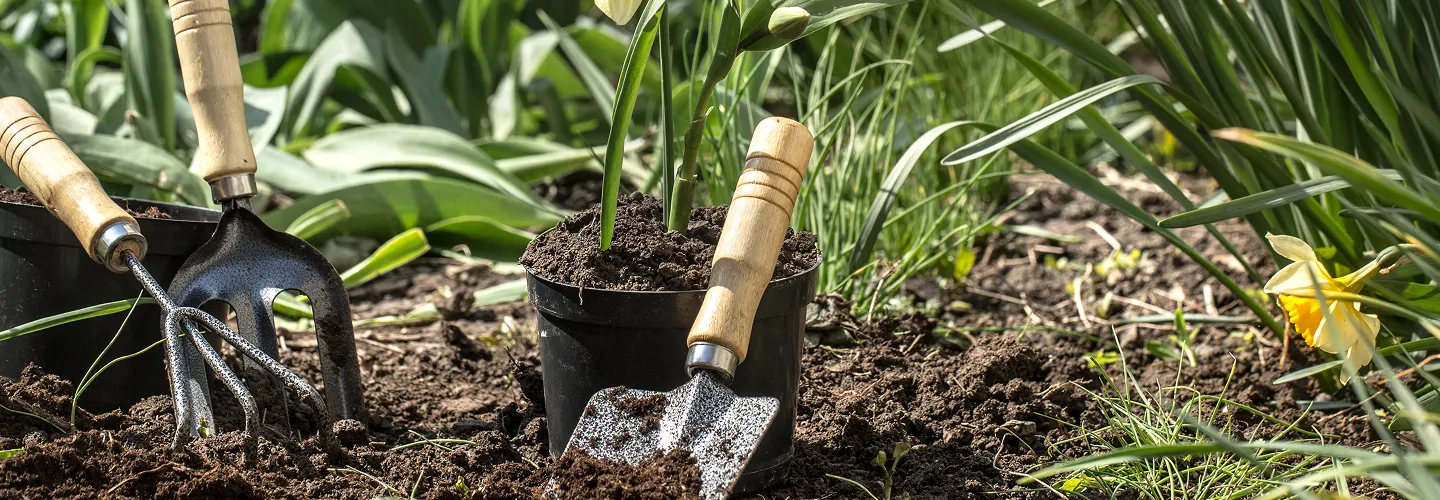
East Lyme Flower Planting Services
Choose our Flower Planting services for expert design, premium plants, and meticulous care—ensuring your garden blooms beautifully season after season.
Get a Free QuoteOur East Lyme Landscaping & Yard Care Services
When to Schedule Flower Planting in East Lyme, Connecticut – Seasonal Guide
In East Lyme, Connecticut, the best times for flower planting are typically in early spring after the last frost and in early fall before the first hard freeze. The region’s coastal climate, influenced by proximity to Long Island Sound and local landmarks like Rocky Neck State Park, means that frost dates can vary slightly between neighborhoods such as Niantic and Flanders. Monitoring local weather patterns is essential, as late spring frosts or unexpected summer droughts can impact planting success. Soil in East Lyme tends to be well-draining but may vary in acidity and organic content, especially in shaded areas beneath mature trees or near the Oswegatchie Hills.
When planning your flower planting, consider factors like humidity levels, shade coverage from established tree canopies, and the risk of drought during the warmer months. Some neighborhoods may also have municipal guidelines or watering restrictions, so it’s wise to check with local resources such as the Town of Sudbury’s environmental page for up-to-date information. By tailoring your planting schedule to East Lyme’s unique landscape and climate, you’ll ensure vibrant, long-lasting blooms throughout the growing season.
Local Factors to Consider for Flower Planting in East Lyme
- Proximity to Long Island Sound and its effect on frost dates
- Tree density and shade coverage in neighborhoods like Niantic and Flanders
- Soil type and drainage, especially near the Oswegatchie Hills
- Seasonal precipitation and risk of summer drought
- Humidity levels during peak growing months
- Terrain variations, including sloped or rocky areas
- Municipal watering restrictions or planting guidelines
Benefits of Flower Planting in East Lyme
Expert Local Knowledge
Customized Landscape Designs
Seasonal Plant Selection
Enhanced Curb Appeal
Eco-Friendly Practices
Reliable Maintenance Services
East Lyme Flower Planting Types

Perennial Flower Beds
-
Annual Flower Displays
-
Native Wildflower Gardens
-
Pollinator-Friendly Plantings
-
Shade Garden Flowers
-
Seasonal Bulb Planting
-
Container Flower Arrangements
Our Flower Planting Process
Site Evaluation
Soil Preparation
Plant Selection
Careful Planting
Watering and Mulching
Why Choose East Lyme Landscape Services
-
East Lyme Homeowners Trust Us
-
Expert Lawn Maintenance
-
Reliable Seasonal Cleanups
-
Competitive Pricing
-
Professional Team
-
Satisfaction Guarantee
-
Personalized Service
East Lyme’s Glacial Till Soils and Site Preparation for Flower Planting
Flower planting in East Lyme requires careful consideration of the town’s predominant glacial till soils, which are typically stony, moderately acidic (pH 5.5-6.5), and often poorly drained. Before planting, it is essential to conduct a soil test—available through the UConn Extension—to determine pH and nutrient levels. Common amendments include lime for pH below 6.0 and compost incorporation at 2-3 inches depth to improve structure and drainage. For sites with compacted or rocky soils, mechanical tilling to a depth of 6-8 inches is recommended. Properties near wetlands must maintain a 25-foot no-disturbance buffer, as regulated by the Connecticut Environmental Protection Act. Coordination with the municipal engineering department is advised for large-scale site modifications.
East Lyme Engineering Department
108 Pennsylvania Avenue, East Lyme, CT 06357
Phone: (860) 691-4112
Official Website: East Lyme Engineering Department
Optimal Flower Planting Windows and Climate Considerations in East Lyme
East Lyme is located in USDA Hardiness Zone 6b-7a, with coastal influences moderating winter lows and extending the growing season. The ideal window for planting most perennial and annual flowers is April 15 to June 1, when soil temperatures reach 50-60°F. Fall planting of hardy perennials is best completed by October 15 to allow root establishment before the first frost, which typically occurs in late October. Monitor local weather patterns using the National Weather Service New York, NY office for frost advisories and rainfall forecasts. Avoid planting during periods of saturated soil, as East Lyme’s glacial till can impede drainage and increase risk of root rot. For up-to-date climate data and planting guidance, consult the USDA Plant Hardiness Zone Map.
Native and Salt-Tolerant Flower Species for East Lyme’s Coastal Environment
Selecting appropriate flower species is critical for long-term success in East Lyme’s coastal neighborhoods, where salt spray and wind exposure are common. Recommended native and salt-tolerant species include:
- Black-eyed Susan (Rudbeckia hirta)
- New England aster (Symphyotrichum novae-angliae)
- Butterfly weed (Asclepias tuberosa)
- Beach rose (Rosa rugosa)
- Seaside goldenrod (Solidago sempervirens)
- Daylily (Hemerocallis spp.)
For deer-prone areas, consider lavender (Lavandula angustifolia) and Russian sage (Perovskia atriplicifolia). Plant spacing should be 12-24 inches depending on mature size. For guidance on species selection and site-specific recommendations, refer to the UConn Extension and the USDA Web Soil Survey.
Municipal Coordination and Flower Planting Regulations in East Lyme
All flower planting activities in East Lyme must comply with municipal ordinances regarding property setbacks, wetland buffers, and public right-of-way restrictions. Planting within 25 feet of wetlands or watercourses requires review by the Conservation of Natural Resources Commission. Equipment operation for site preparation is permitted:
- Monday-Friday: 7:00 AM - 7:00 PM
- Saturday: 8:00 AM - 6:00 PM
- Sunday and holidays: Prohibited
Permit applications for planting in public spaces or near town infrastructure are processed by the Department of Public Works, with typical review times of 5-10 business days. For projects adjacent to conservation areas, additional review may be required.
East Lyme Conservation of Natural Resources Commission
108 Pennsylvania Avenue, East Lyme, CT 06357
Phone: (860) 691-4110
Official Website: East Lyme Conservation of Natural Resources Commission
East Lyme Department of Public Works
108 Pennsylvania Avenue, East Lyme, CT 06357
Phone: (860) 691-4118
Official Website: East Lyme Department of Public Works
Environmental Compliance: Stormwater, Wetlands, and State Regulations for Flower Planting
Flower planting in East Lyme must adhere to both local and state environmental regulations, including the Connecticut Environmental Protection Act and the town’s MS4 stormwater permit requirements. It is prohibited to deposit soil, mulch, or plant debris in storm drains or within 25 feet of wetlands. Fertilizer and pesticide applications must avoid a 50-foot buffer from water bodies to protect Niantic River and local wetlands. The Connecticut Department of Energy and Environmental Protection (CT DEEP) oversees enforcement of these standards. For technical guidance on stormwater best management practices, consult EPA Region 1. Soil erosion control measures, such as silt fencing, are required for projects disturbing more than 500 square feet.
What Neighborhoods Do We Serve Throughout East Lyme, CT?
- Niantic: Coastal soils with high sand content and salt exposure; flower planting here requires salt-tolerant species and wind protection measures.
- Flanders: Predominantly glacial till soils with moderate drainage; larger lots allow for extensive perennial beds but may require soil amendment for pH adjustment.
- Giants Neck: Proximity to Long Island Sound increases salt spray risk; compacted soils and smaller lot sizes necessitate careful species selection and spacing.
- Black Point: Dense development and historic landscaping; properties often have mature trees, requiring shade-tolerant and deer-resistant flower varieties.
- Pattagansett: Near wetlands and conservation areas; strict buffer requirements and seasonal high water tables impact planting locations and timing.
- Golden Spur: Newer subdivisions with fill soils and variable drainage; attention to soil compaction and stormwater management is essential for successful establishment.
- Upper Pattagansett: Rural character with larger parcels, but slopes and shallow bedrock may limit planting depth and require erosion control measures.